

How do we benefit from animal research?
Animal research helps us make life-changing discoveries, from new vaccines and new medicines to transplant procedures, anesthesia and blood transfusions. The lives of millions of people have been saved or improved as a result.
Animal research is important for developing many important advanced medical technologies. Studies involving animals play a role in preventing or treating a wide range of conditions, such as tuberculosis, diabetes, polio, Parkinson's disease, muscular dystrophy and high blood pressure.
"Animal research is essential for all our futures. Thanks to this research our lives are better, and survival rates for many types of cancer, for example, continue to improve."
— Professor Fran Balkwill, QMUL, 2011

Other examples include:
Asthma inhalers: both reliever and preventer inhalers were developed after work on guinea pigs and frogs. One in 10 children today receives treatment for asthma.
Meningitis vaccines have led to a dramatic drop in certain types of the disease. Cases of meningitis C in the UK are rare today, compared with 700 cases a year just a decade ago.
Leukemia treatments, including chemotherapy. Today, 8 out of 10 children diagnosed with acute lymphoblastic leukemia survive for at least five years. 25 years ago, 7 out of 10 patients with this disease died within five years.
Organ transplants: techniques for heart and kidney transplants, and a vital drug against transplant rejection, were developed through animal research. In 2009–2010, 3,700 people received major organ transplants through the UK's National Health Service.
"The use of animals in research has enabled us to make impressive progress in understanding biology and has led to the development of almost every type of drug, treatment or surgical procedure in contemporary medical and veterinary practice."
— Wellcome Trust, 2011
Do animals also benefit from research?
Yes. Medical conditions that affect only animals, as well as conditions that affect both humans and animals, are better understood today and can be treated more effectively, partly thanks to animal research. Most medicines given to animals, such as antibiotics, are based on medicines developed for humans.
Diabetes: studies on treating diabetes with insulin involved animals such as dogs and rabbits. Today insulin is used to treat diabetes in animals as well as in humans.
Pasteurellosis (an infectious disease in animals caused by Pasteurella bacteria): a vaccine developed through research on 450 calves now allows us to prevent this disease, a serious respiratory illness that affected one fifth of cattle, and it has so far protected more than 100 million cattle.
Will advanced medical technologies in the future require animal research?
Yes. For some aspects of medical research there are no suitable alternatives. We are not yet able to create a body simply by connecting the heart, lungs, blood vessels, nervous system and other parts of the body found in animals and humans, so the body must be studied as a whole.
All potential medicines must undergo safety tests in animals before they are tested in humans. These tests can identify unexpected side effects and make sure that the drug is very likely to be safe. Other tests are designed to determine effective doses and find the best way to give the drug.
Animal and human diseases: how different are they?
Most diseases found in humans also occur in at least one other animal species, and many veterinary medicines are identical to those used by humans. Just like us, animals can suffer from cancer, malaria, heart failure, asthma and arthritis, and they can be treated with most of the medicines we use.
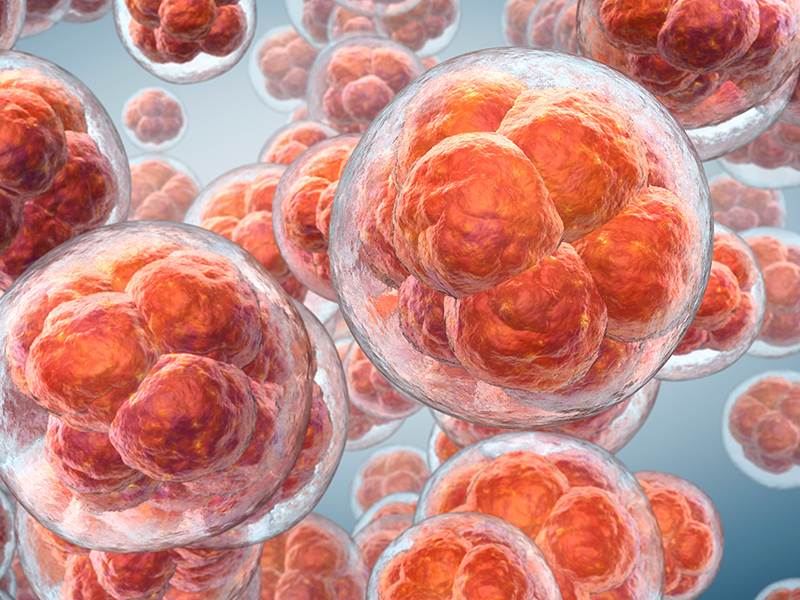
Are there alternatives to animal research?
The research community strives to find research methods that do not use animals, because of the high costs and ethical issues, but also because the law states that a license to work with animals will not be granted if an alternative method exists. A growing number of alternative methods are being developed, as described in our leaflet Animal welfare and the three Rs: replacement, refinement and reduction. Today there are products known generally as "organ on a chip" that make it possible to test certain processes, such as the passage of molecules through the cell membranes of blood vessels.
Animal research and testing in the right context
Research will continue to rely on a range of methods. And once the research and development stages are complete (in which the use of animals is critical), a potential new medicine cannot be given to humans before it has been tested in animals.
Stem cell research using mouse stem cells has paved the way for the possible use of human stem cell lines in many medical conditions, such as stroke, heart disease, muscular dystrophy, osteoarthritis, burns, blindness, diabetes, multiple sclerosis, Parkinson's disease, Alzheimer's disease, spinal cord injury and brain damage. At the time of writing, only a few of these possible uses had been approved for humans, mainly in the treatment of certain blood cancers and certain cases of blindness.
Here are just a few of the many areas of medical research in which animals are used:
• Gene therapy for serious inherited conditions such as muscular dystrophy, cystic fibrosis and sickle cell anemia.
• Vaccines against complex diseases such as Alzheimer's, malaria and HIV/AIDS.
• Insulin taken by mouth or by inhaler, or cell transplants for people with diabetes, instead of injections.
As animal research continues to benefit both animals and humans, the work being done now may help gradually reduce some of the areas of animal research in the future. For example, stem cell research may in the future replace certain types of animal tests by producing human cell types and tissues that are better suited for assessing the efficacy and safety of medicines.