
When we are ill, whether it is a cold or a serious illness like a heart attack, most of us expect there to be a medicine that will help us get better.
Whether you want to know how researchers develop new medicines, or why the process takes so long, in this booklet you will find answers to questions such as where medicines come from.
Understanding our bodies
Scientists need to understand how the body works when it is healthy, and what happens when something goes wrong. By studying different chemicals and how they work, scientists, doctors, nurses and pharmacists can know how a medicine will act and which medicine is best for our illness.
Advanced medical technologies that improve and extend life are the result of research on chemicals, cells, animals and the human body carried out over hundreds of years. The living body contains hundreds of billions of cells and is very complex, so we still have a lot to learn. Even today, developing a new, effective medicine can take decades.
Research in many laboratories, both academic and commercial, is looking for new ways to understand diseases such as cancer, Alzheimer's and asthma. The carefully regulated use of animals is a central part of this process.
Did you know?

Experiment
In 1940, eight mice were injected with a lethal dose of bacteria.
Result
The four mice that received penicillin survived, while the others died.

Penicillin
By 1942, penicillin was being used to save dying patients.
Result
Just three years later, penicillin was being produced on an industrial scale, and a Nobel Prize was awarded for its discovery and development.

World War II
Penicillin helped reduce infection spreading in wounds.
Result
Fewer deaths and fewer amputations.
Finding new treatments
It may take a decade or more from the moment a potential new medicine is identified until a doctor or nurse can prescribe it for you. When scientists try to find solutions to medical problems, they use many different types of research, including animal research. In this process, hundreds of thousands of possible new medicines are screened and narrowed down to just a few that have a chance of becoming successful medicines.
Researching new medicines is a long and expensive process. It involves the combined efforts of pharmaceutical and biotechnology companies, universities, charities, research institutes, hospitals and government.
Research in many laboratories, both academic and commercial, is looking for new ways to understand diseases such as cancer, Alzheimer's and asthma. The carefully regulated use of animals is a central part of this process.
How does the process work?
Based on research into how our bodies work in sickness and in health, scientists first identify a "target" in the body (usually a protein) that a new medicine should act on in a beneficial way. They then study the target in samples of cells, tissues, animals and humans, and test a range of agents that might affect it. These agents can be plant extracts, chemicals, genes and antibodies. Scientists often use computer modeling to see how a chemical might "fit" the target, like a key fitting a lock.
Millions of combinations of chemicals can be studied, but only a tiny fraction of potential treatments will make it to the next stage.
Did you know? How medicines are made

Finding medicines
Researchers find new medicines in many different places. The search can begin with natural chemicals such as plant extracts, genes or antibodies.

Screening
Thousands of new chemicals can be modeled by computer and prepared in small quantities.
Effectiveness
Whatever their source, potential treatments are mass-tested against target proteins to see whether they are effective.

Final stage
Potential treatments that look promising can go on to be tested in animals.
Narrowing it down
Once they have determined which chemicals might have a beneficial effect, scientists still need to narrow down the range to get closer to creating a new medicine. First, they study the effect of the potential treatment on cells and tissues from animals or humans.
Even after combining all this knowledge, scientists cannot perfectly predict how the body's cells and organs will work together with each other and with a new chemical. For example, a medicine that is swallowed may be changed in the digestive system before it reaches its target.
Animals are important at this stage, because researchers need to know how the medicine travels through the body and what dose is needed. They also need to learn about possible side effects.
Looking for side effects is the last part of narrowing down the range, and it is required by law.
This part of the process is called safety testing. Most of the animals used are rats or mice, but the law usually requires two species to be used, so non-rodent animals (dogs, pigs or monkeys) are also needed. As in other areas of animal research, safety testing is strictly regulated.
The medicine development process
- Research: understanding our bodies in health and in disease.
- Finding new treatments: identifying new targets and developing treatments and screening them.
- Narrowing it down: further development, testing for safety and finding the right dose.
- Clinical trials: testing in human volunteers, in four phases.
Clinical trial phases
- Phase 1: Safety: dose and how the medicine affects volunteers. 20–100 volunteers, usually healthy. A short trial with low doses.
- Phase 2: Does it work for patients? 100–500 volunteer patients. A longer trial with larger doses.
- Phase 3: Gathering evidence in larger populations. 1,000–5,000 volunteers, randomly assigned in order to compare the new treatment.
- Phase 4: Approval: the medicine receives a license, and monitoring continues.
Clinical trials
With the help of computer modeling and research using chemicals, cells and animals, hundreds of thousands of substances have been narrowed down to just a few potential medicines. At this stage, doctors test the potential medicines on people in clinical trials.
Each trial follows a set of rules (a protocol) and is carefully monitored by doctors. Safety committees, hospital ethics committees, the official regulator and the Medicines and Healthcare products Regulatory Agency (MHRA) are responsible for strict supervision and review.
The different phases
Clinical trials are made up of four phases: three phases take place before a medicine is licensed, and the fourth takes place after it can be prescribed. Clinical trials test whether the medicine works well in people: is it an improvement on existing treatments, is it safe, how should it be given, and at what dose?
The final stages
Clinical trials can be stopped at any stage, and sometimes scientists need to go back to animals or tissues to develop a more precise treatment. But if the results of a phase 3 trial show that the medicine is successful, safety regulators decide whether it can be licensed or prescribed. Expert committees examine huge amounts of detailed information.
A new medicine is usually licensed by the Medicines and Healthcare products Regulatory Agency (MHRA) or by the European Medicines Agency (EMA).
Even after a license is granted, the clinical trial process continues with monitoring in phase 4.
Looking to the future
As understanding grows, scientists and doctors will find new treatments and cures for diseases.
Today's research may lead to "biological" treatments as well as conventional chemical treatments. Biological medicines include treatments with antibodies, proteins, stem cells and gene therapies.
Even as you read this booklet, research continues around the world to find better ways of treating diseases. Thanks to this kind of research, people are living longer and their quality of life is improving.
Why are animals used?
Animals are an important part of the research process and of developing a new medicine. They are studied for four main reasons (see below).
Although animals may seem very different from us, their biology is usually very similar. That is why animals can help us understand our bodies in health and in disease, and can be used to predict whether medicines are likely to work and be safe.
Most of the animals used in research and testing are mice, rats, fish and birds. But a small number of larger animals, such as pigs, dogs and monkeys, are also used in research. Mice are increasingly being genetically modified to make them even more similar to humans.
Sometimes a person's response to a medicine is different from that of animals. This does not mean the research has failed; it can provide important clues for future research. There can also be differences between two people taking the same medicine. For example, Herceptin only works for some women with certain types of breast cancer.
Scientists, universities, companies and the government try to use as few animals as possible. Progress in science means there are many "alternatives" to animal research.
These alternatives include research using computers, chemicals, cells, tissues, organs and people. But even with the most advanced technology, animal research is still important for medical progress.
How animals are used in research
- Breeding genetically modified animals
- Research to understand the body in health and disease
- Research to develop medicines
- Medicine safety testing
- Other: for example, laboratory tests to diagnose criminal cases, paternity and diagnosis, and safety testing of non-medical devices
Biological similarity: the body structure of different mammals is so similar that research on mice helps us understand how the human body works. Genetically modified mice model human diseases even more closely.
Animal research has contributed to the development of life-saving medicines and has improved quality of life: antibiotics, vaccines, diabetes, cancer and asthma, and the treatment of diseases related to old age are all based on animal research.
How are animals used?
There are strict rules governing the use of animals in research. Three separate licenses are required: a personal license for the researcher, a project license for the research, and a license for the place where the research is carried out. Government veterinarians and doctors carry out regular visits, and often surprise visits, to make sure the animals are properly cared for. On their recommendation, licenses can be revoked and facilities closed if the rules are broken.
Almost without exception, the animals are bred specifically for research and testing. Many studies cause very little suffering. Usually, skilled researchers give doses of a potential medicine, take small blood samples or scan the animal's body so as not to cause pain during the test. Technicians and veterinarians are also on hand to look for the slightest signs of pain or distress.
At the end of most studies, the animals are humanely killed. Their tissues are then fully examined and the effect of the treatment is assessed.
The UK has set up a world-leading organization called the National Centre for the Replacement, Refinement and Reduction of Animals in Research (NC3Rs). It works with scientists to help reduce reliance on animals and improve their welfare.
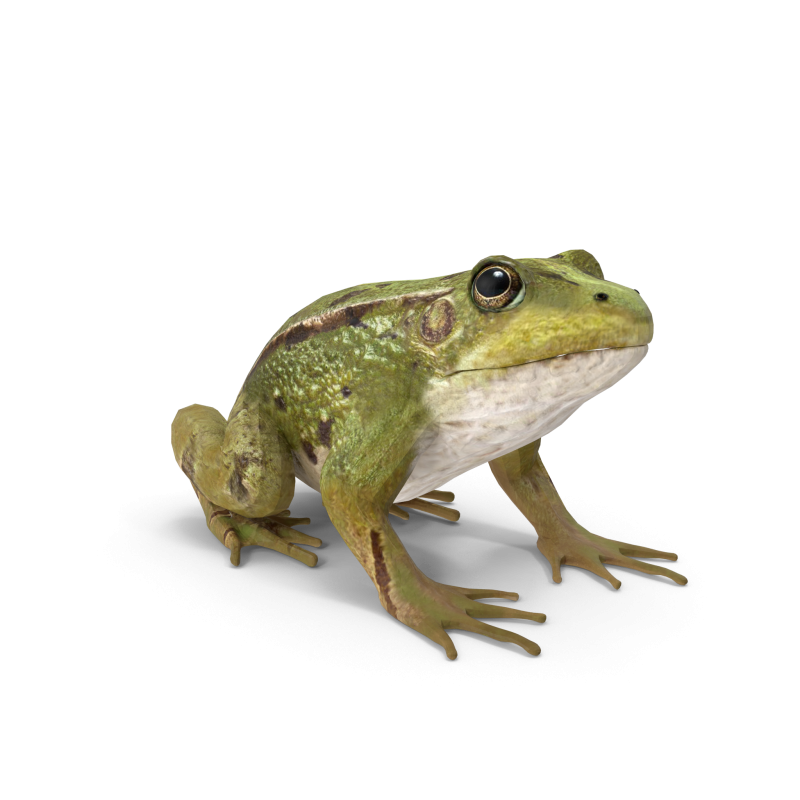
Animals have played a vital role in treating asthma. Research on frogs in the 1920s showed that nerves release chemicals that control muscles. Muscles contracting too strongly can cause asthma symptoms.

In the 1960s, research on guinea pigs showed that asthmatic lungs are inflamed. This finding led to the development of steroid inhalers.
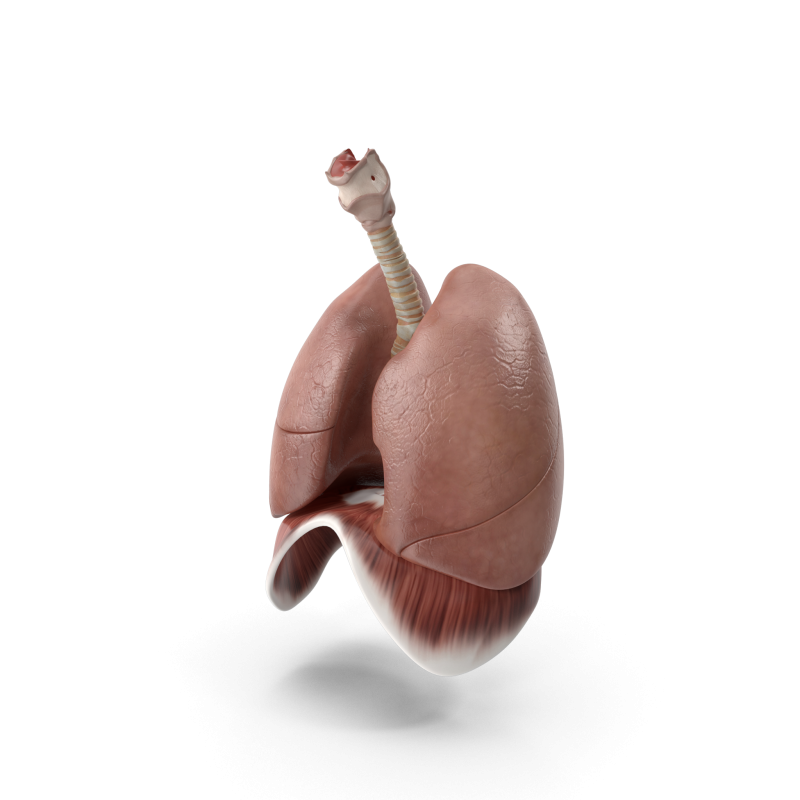
Because infections can trigger asthma attacks, mice that can catch colds are now used to research new asthma treatments. Artificial lungs have also been developed for testing treatments.