
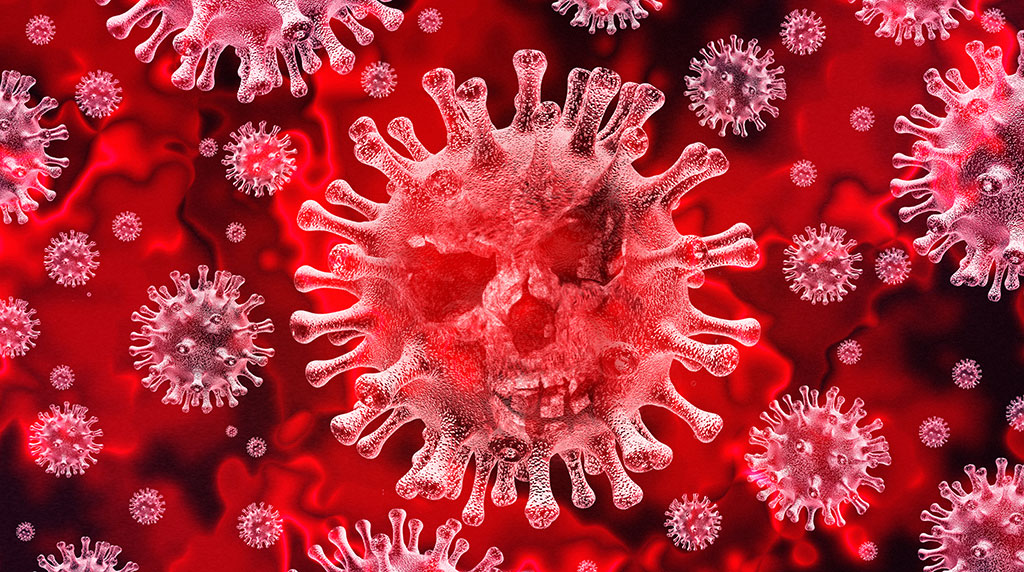
The coronavirus outbreak that began in Wuhan, China, is quickly becoming a global emergency that poses a danger to public health. More than 400 people have died. Thousands of cases have been reported across Asia, Australia, Europe and North America.
Fortunately, several American companies are already working to develop a vaccine for the disease. Two of these companies say they will be able to begin relevant testing in animals within a month.
The fight against the new coronavirus is just one current example of how necessary animal research is for scientific progress. Even so, according to the Pew Research Center in Washington, slightly more than half of Americans oppose animal research. A new vaccine produced with the help of animals may change their minds.
Viruses in the coronavirus family cause respiratory illnesses and incubate in farm animals. Once the viruses "cross the barrier" and manage to pass from animals to humans, they can also begin to spread from person to person. Researchers believe the new virus was first passed to humans at a market selling wild animals in Wuhan, which was shut down after this suspicion took hold. Researchers are working to trace the virus's origin in animals in order to better understand how it spread among wild animals, which led to the recent infection in humans.
The first major outbreak of a coronavirus in the modern era took place in 2003, with Severe Acute Respiratory Syndrome (SARS), which came from Guangdong Province in southern China, infected a total of about 8,000 people and claimed the lives of about 800.
A few years later, in 2012, another deadly coronavirus emerged in the Middle East. This variant, MERS, short for Middle East Respiratory Syndrome, was especially deadly, killing one in three of the people it infected.
Animal studies showed how the coronavirus that causes MERS can adapt to move between different animals and infect new species. One experiment involving 16 bat species found that the virus could not efficiently enter cells with the receptors of the common vampire bat. After several generations, the virus evolved and eventually adapted to those receptors in this bat species too. Scientists believe these findings, and other findings related to different types of coronavirus, may help in developing a vaccine.
Vaccines for many other infectious diseases were first developed through animal research.
Take, for example, the measles vaccine, which has saved the lives of about 20 million people over the past two decades. In the 1960s, scientists carried out experiments in cell cultures taken from chick embryos. They refined the vaccine they developed over seven more years of ongoing animal research, until it was finally combined with the mumps and rubella vaccine in 1971.
Another example is the vaccine against polio, a virus that once killed thousands of children every year. After almost 40 years of research in monkeys and mice, scientists developed the first effective vaccine in the 1950s. The vaccine has saved an estimated 18 million people from paralysis and saved the lives of about 1.5 million more children.
In recent years, animal research has produced vaccines at a much faster pace. In 2013, a deadly strain of Ebola appeared in Africa and quickly became an epidemic. All the accepted treatments proved ineffective. The virus killed about 11,000 people. The Public Health Agency of Canada began developing an effective vaccine through research in macaques. The work ended in a near-miraculous success: the new treatment was found to be 100 percent effective.
When Ebola broke out again in Congo in 2018, the World Health Organization quickly distributed the new vaccine, preventing another epidemic and saving thousands of people from death.
The end of the current coronavirus outbreak is not yet in sight. But when it does end, it will surely be thanks to animal research.
Source: Matthew Bailey, International Business Times
Translation: Let the Patients Live